Share it! Science : science
Showing posts with label science. Show all posts

Everything You Need to Know about the Great American Solar Eclipse!

For updated information on the April 2024 solar eclipse, visit this page! 

August 21st, 2017 is much anticipated for American astronomers and backyard stargazing enthusiasts. A total solar eclipse will occur, visible across the continental United States for the first time in almost 40 years! Although it is not a rare event for the Moon to temporarily block the Sun by moving between the Sun and the Earth, it is that it seldom happens where we can easily view it.

Read on to find the answers to your burning questions: What is an eclipse, exactly? Will I be able to see it where I live? How can I watch a solar eclipse safely? In addition to other educational astronomy resources.


This post contains affiliate links, please see disclosures for more information.   

What is an eclipse?


There are two types of eclipses, lunar and solar. As you may have guessed from the names, one has to do with the Moon and one with the Sun. A lunar eclipse occurs when the Earth passes between the Sun and Moon, blocking the Sun's light and casting a shadow on the Moon. A solar eclipse occurs when the Moon passes between the Earth and the Sun. In this case, the Moon blocks the Sun's light from reaching Earth. Check this link out for a simple lesson and visual modeling activity on eclipses.

Here's a diagram to help clarify this description. Notice how little of the Earth is affected by the Solar Eclipse in the top half of the diagram. This is why it is rare that we get a chance to see it. The Lunar Eclipse, in the bottom half of the diagram, is visible from any place on Earth that is facing the moon at that time. This is why it is easier to catch a glimpse of a lunar eclipse. 

Great American Solar Eclipse Safety and Learning Resources

The reason that the Sun appears completely eclipsed during a solar eclipse is that from Earth the Sun and the Moon are seen as the same size in the sky. Although the Sun is really much larger, their distances from the Earth give the appearance that they are the same size.

What Should You Expect to See on August 21st, 2017? 


If you reside in the contiguous 48 states of the U.S. you will be able to see at least a partial solar eclipse. A few lucky states will experience the total eclipse. For the path of the eclipse, and to find out where you'll be able to see it, check out this solar eclipse map. 


There are no major U.S. cities that fall in the zone of totality, or the area where the Sun will be completely eclipsed, however, if you live in Oregon, Idaho, Wyoming, Nebraska, Kansas, Missouri, Illinois, Kentucky, Tennessee, Georgia, or South Carolina, you might experience a total eclipse.

During the total eclipse the Moon will hide the Sun from view. When this happens, we can see the Sun's corona, the outer layers of plasma around the Sun. The corona will appear to be a beautiful ring of light around the edges of the Moon.

Great American Solar Eclipse Safety and Learning Resources
I, Luc Viatour [GFDL, CC-BY-SA-3.0 or CC BY-SA 2.5-2.0-1.0 ], via Wikimedia Commons

During the total eclipse, the sky will darken so that the stars will again be visible, and it will seem like it is night time. Even the birds and other animals will stop making noise and prepare for night. The experience is sure to be beautiful and strange at the same time!

Some people may see the beautiful "diamond ring effect" which occurs just a few seconds before the Moon completely covers the Sun. For just a second you can see a ring shape and a flash of bright light in one portion of it. You might also see pink or reddish flickers, that are solar prominences, or little bursts of hot material that shoot out from the Sun.

Viewers of the partial eclipse will still be able to see a portion of the Sun, but will be able to see the Moon's shadow move over at least a portion.

Whether you are viewing the total or partial eclipse, it is important to remember safety! We'll cover safe viewing later in this post.

The eclipse will only last about 2 and a half minutes. This is a relatively short eclipse, as they can last up to 7 minutes. The timing will depend on your location. It will be longest along the central line of the eclipse's path, and become shorter the further you are from there.

Depending on where you are viewing, and what time zone you are in, the eclipse will take place either in the morning or afternoon. For example, those in Salem, OR will begin to see the eclipse at 9:05 AM, whereas those watching in Columbia, SC will see it begin at 1:13 PM.

How to Safely View the Solar Eclipse


Watching a solar eclipse requires a little bit of planning. As you are aware, you should never look directly into the sun. An eclipse is no exception! DO NOT look directly at the eclipse with your naked eye and especially not through binoculars or a telescope as these only will magnify the sun's rays. Regular sunglasses do not provide enough protection for viewing the eclipse, even if it is just a partial eclipse!

Great American Solar Eclipse Safety and Learning Resources

So how can you safely view the solar eclipse?  The best option is to project the image of the sun somewhere else. You can do this by building a sun viewer, a pin-hole camera, or a solar funnel. These can all be built with simple materials, many of which you probably already have at home.

Build an easy pinhole projector with just a few materials for safe solar eclipse viewing, and a lesson in how light travels!

For other excellent tutorials and videos on building these devices, check out the Exploratorium's page on viewing a solar eclipse here. 

You might also investigate these options:

Another option is purchasing glasses designed for safe viewing of the eclipse. One option is this great pack from Celestron that is better for a family of 4 and includes an eclipse guide. Be sure you are purchasing a safe pair! (The brands we have linked to are safe.) Read this article to find out more! 


Solar Eclipse Learning Resources


Will you be teaching about the eclipse, watching it with your homeschool group, astronomy group or camp? You might consider this excellent solar science resource from the National Science Teacher's Association.There are also educational activities and links at NASA's eclipse site.

Many professional and amateur astronomers will be getting together for "solar eclipse viewing parties" on the big day. Here are 13 solar eclipse celebrations you might want to check out. Plan your own eclipse party with these tips from NASA. If you will be unable to view the eclipse in real life you can watch the live stream of the celestial event here.
Great American Solar Eclipse Safety and Learning Resources

If you're worried about missing this one, you'll get another chance on April 8th, 2024 when another solar eclipse will be viewed across the United States, this time passing through a different set of states.


Looking for other sun activities? Try building your own solar oven. Or these solar experiments for kids.

Have a space obsessed kid? Check out these great gifts for little astronauts and astronomers.


10 Clever Science Valentine's Cards


I love a good science joke, pun or cartoon, don't you? This Valentine's Day, check out these unique science themed Valentine's for your classmates, friends, science teacher or nerdy crush.

This post contains affiliate links, please see disclosures for more details. 

Click on the images to learn about purchasing these funny Valentine's cards. For an updated list (2024) of funny science Valentine's Day cards click here.

Famous Scientist Valentine's

Short on time? Download these and print at home!

http://tidd.ly/fda2305a

Periodic Table Valentine's

Nothing says love like Lutetium and Vanadium!
http://tidd.ly/6c6aed36

Cats and Chemistry Puns!

For those of you who can't get enough online cat memes.
http://tidd.ly/96092700

Solar System Love

Sweet on the Sun?
http://tidd.ly/9729d21a

DNA 

The basics of life and love.
http://tidd.ly/ac08f6b9

Love in the Lab

Feeling the chemistry?
http://tidd.ly/53602a33

Kids Science! 

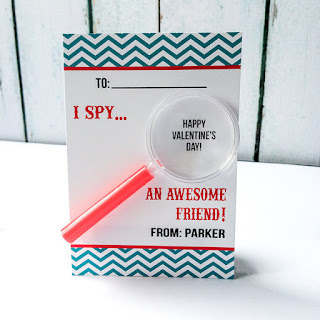
Play "I Spy" with this one.
http://tidd.ly/13a6db03

For the Love of Rocks

In love with geology?
http://tidd.ly/f51434a8

If Your Love is Electric

Nikola Tesla love.
http://tidd.ly/f3d510e3

For Your Symbiont

Do you have a symbiotic relationship?
http://tidd.ly/88637feb

For an updated list (2024) of funny science Valentine's Day cards click here.


Fun and Educational Gifts for the Young Scientists on Your List


'Tis the season for gift-giving. We've searched high and low for great science related gifts that are not only educational but also fun. Throughout the week we will be posting gift guides based on a particular science related theme. If you've got an aspiring astronaut, an insatiable tinkerer or one who wonders about wildlife you are sure to find just the right gift in our series this week!

Science Gift Guides:


http://www.shareitscience.com/2015/11/gift-ideas-kids-astronomy-space.html


http://www.shareitscience.com/2015/11/gift-ideas-for-biologists-and-naturalists.html


http://www.shareitscience.com/2015/11/gifts-ideas-for-tinkerers-makers-engineers.html


http://www.shareitscience.com/2015/11/diy-stem-gifts-for-kids-science-kits.html


DIY STEM Gifts For Kids

Here is a great way to save some money on gifts and give something the kids will love. DIY your own homemade science or STEM kit, tinker kit or invention box. There are so many great ideas out there. With a little time and effort, you can put together a gift with more play value then something from the store.

DIY STEM gifts for kids science kits www.shareitscience.com


Build Your Own Science Kit


With a little creativity you can build your own science kit with inspiration from Share it! Science activities, like Spies and CSI's, Balloon Rockets, Hidden Colors in a Leaf, 5 Ways to Make a Real Rainbow, Science with Christmas Leftovers, Dreidels and other Spinning Tops, or any other of my Saturday Science Experiment series. Or, put together one of these science kits from some great kids bloggers!
girl scientist STEM science kits DIY
I Can Teach My Child: Science Kit for Kids Gift Idea. This great science kit idea is complete with a free printable: "Fascinating Science for Kids" full of experiments that can be easily accomplished at home. The whole kit can be put together for under $20!

Little Bins for Little Hands: Homemade Kids Science Kit with 20 Experiments. A supply list of items that are easy to acquire at the grocery or dollar store and links to some great simple at-home science experiments!

Fun at Home with Kids: DIY Science Kit Gift for Kids. A science kit to accompany the author's book: The Curious Kid's Science Book. Great ideas, simple materials!

The Kitchen Pantry Scientist: Homemade Science Lab. All the supplies you need to turn your kitchen into a science lab!
boy scientist science kits DIY

Playdough to Plato: DIY Home Science Kit. Put together a simple science kit and print out some cool science kit cards to get you started on your science adventures! 

Teach-a-roo: Send Home Science Kit. Although geared toward teachers, this at home science kit could be adapted for a gift. Also a great idea for an educational gift for your students if you are a teacher! 
balloon beaker experiment animation

Science Sparks: All You Need for Science At Home. A thorough list of the everyday items that complete the at-home science lab. Great experiment ideas too!

Kids Activities Blog: Totally Awesome Kids Science Kit. 3 super fun experiments that require things you probably already have lying around the house.

Mama.Papa.Bubba: DIY Science Kit for Kids. Filled with items from the grocery store or dollar store. Uses "The Curious Kids Science Book" as a guide.

Glue Sticks Blog: Homemade Science Kits for Kids. Great DIY kit with a ton of experiments and experiment "recipe cards" with directions. Would make a great family gift!

DIY Tinkering and Inventing Kits


Katydid and Kid: A Kids' Tinkering Kit. Ideas to make a kid's tinkering kit with real tools!

Left Brain Craft Brain: Portable Tinkering Kit for Preschoolers. A nice little kit designed to keep a young one busy when you are out and about.

The Educators' Spin On It: Build an Inventor's Box: A STEM Activity for Kids. Ideas for an inventor's box that will keep your tinkerer busy!


Science Teacher's Toolbox: Engaging Students with Science Mysteries


Do you ever struggle with how you will introduce a science lesson, or how to get kids hooked on an science activity? Have you ever turned a science concept into a puzzle or mystery? It works like a charm. Kids and adults want to know what happens next when there is an open ended question. Let's take a look at how you can successfully introduce your science lessons this way.

Starting a lesson with a mystery or something unexpected lends itself very well to the 5 E Inquiry Teaching Model. The 5 E model works as follows:
  • Engage: Pique student interest and get them involved in the science lesson while assessing for prior knowledge.
  • Explore: Students engage in an activity designed so that they build their own understanding. This is where students engage in hands-on learning.
  • Explain: A chance for students to communicate with others in their own words about their understanding of the topic and activity.
  • Elaborate (or Extend): This is a chance for students to continue to investigate the topic while applying their new found understanding to the world around them in novel ways.
  • Evaluate: Teachers and students evaluate what has been learned, if understanding is sufficient and goals of the lesson have been met.
Why not use a mystery or an interesting and unexpected demonstration to ENGAGE your students? 


If you don't know where to start, the National Science Teacher's Association (NSTA) has several excellent books that present science concepts as mystery stories and lead to open ended investigations appropriate for inquiry learning. I highly recommend this "Everyday Science Mysteries" series by Richard Konieck-Moran. If you are an NSTA member you are most likely familiar with these materials. [There are many other great benefits to being an NSTA member in addition to great books like these, so you might consider becoming a member if you are not already.] You can also purchase the series through Amazon. Click on any of the images in the widget below to learn more. (affiliate links)

Another great resource for sparking interest is Mystery Science. This is a new NGSS linked science curriculum for grades 2-5. The "open and go" video lessons use mystery to engage students in accompanying hands-on activities. You can sign up for this program for FREE throughout the 2015-2016 school year.

www.mysteryscience.com

The internet is a wealth of information on great science demonstrations to spark intrigue in your classroom. You might want to check out these sites for some fresh ideas and information:
Remember- if you are doing a demonstration as an intro to a lesson, what is the purpose of your demonstration? Will it present an open-ended question that students will be able to explore? Or are you just doing it for entertainment value? Although there are a lot of really fun demonstrations, be sure you are choosing them for the right reasons.

What are some of your favorite ways to get kids hooked on a science topic? Comment below or share on our Facebook or Google+ page.

Science Lessons for National Dog Week

©SBF 2015
Did you know that it was National Dog Week? You probably know a lot about your furry pal, like her favorite toys and treats, or his favorite place go for a walk. Although we are pretty familiar with dogs behavior and habits, how much do you actually know about the science of your dog?

Did you know, for example, that your dog's nostrils work independently of one another so they can better pinpoint scents? Or that when your dog looks at you, the level of the hormone oxytocin (the "love" hormone) in its body rises? Yes, all true. What else can we learn about the science of dogs?


A dog's sense of smell is one of its most amazing senses. For all sorts of fascinating facts and links to lessons about dog science, check out Science Netlinks- Dogs Sense of Smell.

If you are into learning about recent scientific research, visit Science Daily's site on dogs. You'll find that recent studies have determined a lot about dog and cat evolution. Very interesting stuff!

From genetics and breeding to pet care and the Iditarod sled race, there is a lot to learn about dogs. Check out the following links for all sorts of lesson plans and science activities for school or home about man, woman and children's best friend!

Resources:

Book suggestions for scientists and dog lovers (affiliate links, click images for more information)


Glimpse of the Garden: Week 25, A Race Against Time

'Tis the season for harvesting fruit and veggies. Maybe you are overrun with tomatoes or squash. What is the best way to preserve your harvest before science takes over and those beautiful veggies start to spoil? Luckily, there are several options depending on the amount of time you have to do it, and your level of expertise.

Harvesting your garden is also a great kid's activity. Kids love digging potatoes, harvesting popcorn, and pulling carrots. There is also a ton of science involved in food preservation, including concepts like: pressure, vacuums, bacteria, decomposition, life cycles, etc. There are so many ways to make this type of work a fun, learning experience for you, your students or children.


This post contains affiliate links, see disclosures for more details.

Tomatoes on the window seat, tomatoes on the counter, tomatoes in the freezer and tomatoes on the vine. I would love to make some pasta sauce with those beautiful Romas and San Marzanos, dice up the Costolutos and put them in jars. I would even like to roast some cherry tomatoes and pop them in the freezer for a mid-winter treat. I know what you are thinking, "Well then, less talk, more action!". Alas, you need a critical amount of tomatoes of each type before you begin to can, blanch, freeze or dry and they don't all ripen at once.
©SBF 2015
Gardening is part patience, part intense action. Here we are at week 25 of my garden adventure for 2015 and I've waited patiently for this moment to come. Once your produce is ready there is only a small window of time before it becomes overripe, or an opportunistic woodchuck, chipmunk or rabbit comes along...instead of "hurry up and wait" we're playing a game of "wait and hurry up".
©SBF 2015
So what is the rush? How can you preserve your beautiful produce to save for later instead of eating salads for the next 3 weeks? Why do you need to process it, heat it to a certain temperature, freeze it solid or dry it out?

Microbes


Microorganisms, such as bacteria, are ready to do their part in the decomposition portion of your plant's life cycle. The plant grew your produce as a way of disseminating its own seeds, not as a kind gesture or repayment for watering it all summer. Once it has grown its fruit, eventually it will spoil. Bacteria are everywhere, and can be helpful or harmful to humans. Many of the bacteria you find in ripening and rotting veggies are not the helpful kind!
©SBF 2015

How Can You Preserve Your Harvest? 


Drying or Dehydrating


Drying foods to preserve them was most likely another happy accident. The sun and wind are pretty good dehydrators. Most microbes that cause disease enjoy a moist environment to multiply in. When food is dried out it becomes an inhospitable place for those types of bacteria. You can dry produce in your oven or in an electric food dehydrator. Check out the Colorado State University Extension page for more information on drying and dehydrating your own vegetables. Electric food dehydrators can also be purchased fairly inexpensively.


Blanching and Freezing


Freezing veggies is a quick and fairly easy option to preserve them for later use. Before you freeze vegetables you should blanch them. Blanching is a process in which you heat the vegetables for a short period of time in boiling water. They are then removed and placed in an ice bath to stop the cooking process.

Blanching breaks down the enzymes that are at work ripening your food. The boiling action also helps to kill any microorganisms on the food. The blanched vegetables can then be placed in freezer bags or containers and frozen for longer periods of time. Different vegetables have different blanch times. See this link for the appropriate times for different types of produce.


Canning


Although a little more labor intensive, canning is one of my favorite ways to preserve food. If you follow a recipe and work carefully then the result is safe, well preserved food that looks awfully pretty in a jar, too. I use a heat bath canner. Basically this means that after your jars are packed you boil them for a certain amount of time to destroy any harmful microorganisms and to vacuum seal your jar shut.


Recipes for canning fruits and veggies will help you to determine if you need to add anything acidic to the jars to help preserve the food. Lemon juice and citric acid are common natural additives to preserving food canned at home. Microorganisms cannot tolerate acidic environments. I will be chronicling the process of canning my tomato sauce for you in a future post- stay tuned. For some great tips and recipes for canning, you should visit the Pick Your Own site.

For tried and true canning recipes, I recommend  Ball Complete Book of Home Preserving


©SBF 2015


I'm excited this year to have produced enough tomatoes to make some sauce and can it for the winter. Slowly but surely, the tomatoes are ripening (I need 10 lbs of them). We're almost there, just some more patience. Then someday soon the tomatoes will be ripe and they will no longer wait. Time for that intense action I spoke of earlier. I will begin the job of blanching and peeling and cranking the food mill. I'll slowly simmer the sauce and then pack it into jars and put them in a hot water bath. It will be hours of work, but well worth the effort, the patience and time. 

More on the science behind food preservation:

Elevated Raised Beds