Share it! Science

Building Science Skills with Compare and Contrast Picture Books

Kids love animals and have an innate desire want to categorize and sort things into groups. Why not combine these passions to build early observation skills in science? I was fortunate to be given the opportunity to review this year's Compare and Contrast books from Arbordale Publishing. I'd love to share this engaging book series with you along with resources and activity ideas for science class. 
 
In this post you will find information about Compare and Contrast books, written by seasoned zoo and aquarium educators, as well as links to an infographic activity and how to use graphic organizers to build science skills in observation and categorization.


This post contains affiliate links, meaning I receive a commission from purchases made through links, at no additional cost to you. Please see disclosures for more information.


Animal Compare and Contrast Books

 
The newest compare and contrast books from Arbordale Publishing feature dazzling photos of animals. In many cases the pictures give a glimpse of something we would not have an opportunity to see otherwise. We especially loved the images of turtles in Turtles: A Compare and Contrast Book.  You can preview the turtle book here. (Recommended for ages 4-9, grades K-3)


Each book in the series is well organized. For example, Birds: A Compare and Contrast Book is organized by feature and adaptation. I think this makes this series perfect for the classroom or at home because students can find interesting information in a way that is logical and scaffolds off of their prior knowledge. You can preview the bird book here. (Recommended for ages 4-9, grades K-3)


While the turtle and bird books focus on one group of animals, others compare and contrast two similar yet different types of animal. These are wonderful for finding out why we may confuse two types of creatures and what actually makes them different from one another. These titles include: Alligator or Crocodile?, Black Bear or Grizzly Bear?, Hippo or Rhino? and Octopus or Squid?.

We definitely learned some interesting things we didn't know before from this book series. 
 
Did you know? 
  • There are 16 subspecies of Black Bear in North America. All subtle differences in DNA.
  • In addition to eight arms, squid have two tentacles covered in suction cups and hooks.
  • Black rhinos can grab onto things with their prehensile upper lip.
And many, many more interesting facts, but I don't want to spoil them all! 
 
I loved that each book contained additional learning material, activities and ideas in the back. You could read the book just for fun, or turn it into a deeper learning experience with these extensions. 
 
I believe the Compare and Contrast series would be an excellent addition to any classroom or home library. Engaging images, interesting and understandable content on topics kids get excited about.


Comparing and Contrasting for Preschool

animal sorting science preschool

Little ones love to sort! After a Compare and Contrast book read-aloud, get out a big sheet of paper (we love big paper rolls!) tape it to the floor and draw some sorting circles. Grab some animal toys (our Octonauts made it into the mix!) and have the kids sort based on color, type or however they choose. 
 
animal sorting science preschool

 
This is excellent practice in making observations, looking carefully, comparing and contrasting. 


Create an Infographic with Elementary Students

 
Use the Compare and Contrast series to have students design their own infographics. Using this template, kids can illustrate and write about an animal they have read about. Bits of information comparing their animal to another are explained with text and information. Once everyone is done the students can become the teachers and share their illustrated information with their peers.  


Graphic Organizers

 
Here is a great article on using graphic organizers in literature-based science instruction. After reading a compare and contrast book help students organize and process new information by using a graphic organizer such as a T-chart or Venn diagram. 

T-charts are an easy way for young students to organize information when comparing two things. Circle the kids up and get out the chart paper to have them help you populate information into two categories. 

 If you're looking for another book to inspire some STEM learning in the elementary classroom, check out my post: Poetry and Engineering Inspired by Nature.

10 Must-Have Printable Downloads for Fall Science Class

Looking for just the right print out to go along with your hands-on science lesson? Or maybe spruce up an old lesson or unit with something new? Here are 10 fun printable downloads you will find useful year after year during the fall term. We have seasonal and nature topics for early childhood and elementary school aged students covered with: Apples, Pumpkins, Trees and Leaves, Hibernation and Migration. Find some inspiration and discover something new for the new school year! 


This post contains affiliate links, meaning I receive a commission from purchases made through these links, at no additional cost to you. Please see disclosures for more information.


Apple Lesson Printables

Fall is the perfect time to study life cycles, especially those that result in some delicious treats, like the life cycle of an apple tree!  Check out this apple tree life cycle wheel for young learners who are discovering the steps in an apple tree's life cycle. 
 
After you take a trip to the orchard for apple picking, try this apple experiment and download the free printable science journal that goes along with it. Linked to a book in one of our favorite series, Zoey and Sassafras, it explores decomposition and food preservation using apples. It's a great student-led experiment because they have some freedom in what to use to try to preserve their apple slices. 


Pumpkin Lesson Printables 

Pumpkins are yet another super fun way to study plant life cycles. Here is a lovely pumpkin life cycle wheel that actually looks like a pumpkin when you are finished! 

Pumpkins are an easy tool for teaching about decomposition. One of my favorite ways is to use the picture book Pumpkin Jack by Will Hubbell. 

You can read about how I would integrate this story into a long-term lesson in observing the decomposition of a pumpkin here. Included in this post is a link to a free pumpkin observation printable. Or use this decomposing pumpkin study printable to not only set up a science experiment with your own pumpkin, but also integrate pumpkin learning through language arts. 

Pumpkin STEM lesson
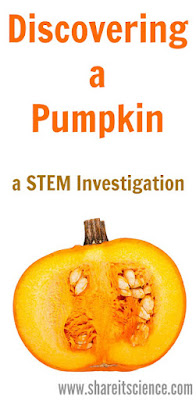
My all time favorite elementary pumpkin lesson is a multi-day STEM observation of a pumpkin. Weighing, measuring, counting, floating (!?!) tons of science and math skills are used to learn more about a pumpkin. It's always a hit with the kids, especially if they have grown or picked out the pumpkins themselves. You can learn more about this pumpkin STEM lesson here, or find the instructions and observation worksheets in my Teachers Pay Teachers store here


Tree and Leaf Printables

If you live in an area with deciduous trees, then fall is probably one of your favorite seasons for its rainbow of foliage colors. It is a fun time to learn why the leaves change color and study the diversity of trees and their life cycles. 
 
Teach your kids or students tree identification with these simple fall leaf identification cards. They would also be great to take on a nature walk for a leaf scavenger hunt!

You will also want to check out this massive collection of tree printables from WildEarthLab, who creates some beautiful and useful environmental educational and science materials.

Migration Printables

Migration is one of the amazing and miraculous natural occurrences of fall. There are lots of opportunities to observe migration in nature, and also follow migration digitally

If you live in the northeastern United States there are many excellent locations for hawk watching as they migrate south for the winter. Download this free guide for non-commercial use to help you identify the hawks you are seeing in the sky. 

Monarch butterflies are migrators loved by many. Check out these ideas for studying Monarch migration in Preschool-12th grade. This is such a cool 3-D paper model download for learning about Monarch life cycles.


Hibernation Printables

What are animals doing in fall? Preparing for winter. Along with migration, hibernation is an interesting topic to delve into during the later fall months. 

The illustrations are gorgeous in this Charlotte Mason hibernation lesson pack. It would be great to print and laminate for a think-pair-share (or in this case, "read-pair-share") activity in your science classroom.

Introduce what it means to hibernate and begin to discover the creatures that do so with this free hibernation printable pack. 

Don't Miss These Printables!

If you are looking for other quality sources of printable nature or environmental science downloads, I would highly recommend these:

Tanglewood Hollow Digital and Printable Items

Mother Natured Nature Printables Club